
Relocating to Paphos in 2026: A Practical Guide
Updated:
Moving to Paphos involves more than choosing a property. It means picking a school system, understanding monthly running costs, and knowing exactly which paperwork applies to your situation rather than relying on assumptions. This guide covers the practical side of relocating to Paphos in 2026: schools, areas to live, typical budgets and the real rules around residency.
International schools in Paphos
Families relocating to Paphos with children generally choose between three established international schools, all following the English National Curriculum. ISOP, in the Anavargos area, has its own heated indoor swimming pool and is one of the longest-running international schools in the district; details are on the school's own site, isop-ed.org. ASPIRE is based in the Tombs of the Kings area, close to Kings Avenue Mall, and publishes its curriculum and admissions information at aspirecyprus.com. TLC is located further west, near Agios Georgios and the Akamas peninsula in the Peyia area, and its site tlccyprus.eu covers term dates and enrolment. Choosing a school first often narrows down which area to buy or rent in, since a daily school run matters more in practice than headline distance to the beach.
Where to live
Families tend to settle in Konia, Universal, Peyia or Geroskipou for the combination of quieter streets, reasonable commuting distance to schools and hospitals, and everyday shops within a short drive. Buyers who want a newer, more centrally planned residential setting sometimes look at the SKALA development, one of the newer residential projects in the wider Paphos area, as an alternative to older village housing. A full comparison of Paphos districts, including Kato Paphos, Chloraka, Tala and Kissonerga, is available in the guide to the best areas in Paphos.
Typical property budgets
Many families relocating to Paphos start their property search from around €205,000 for a well-located apartment or townhouse close to schools, supermarkets and healthcare, though final prices depend heavily on the area, size and finish of the property. This budget level generally covers homes in family-friendly districts such as Konia, Universal and Geroskipou. Buyers looking specifically at new-build options from this price point can compare current listings in real estate in Paphos from €200,000. Buying at this level does not by itself provide any residency status, a point covered in more detail below.
Monthly budget and utilities
Beyond rent or a mortgage, most households in Paphos budget around €150 to €250 a month for utilities, electricity, water, internet and basic services, though this varies with property size, air conditioning use and season. Buyers planning a full relocation should also review the one-off costs involved in the purchase itself, covered in property buying expenses in Cyprus.
Residency: what property buyers actually get
Buying property in Paphos does not by itself grant legal residency, regardless of the purchase price. A visitor's Pink Slip does not require any property purchase at all, while permanent residency through investment requires buying new property from a developer worth at least €300,000 plus VAT, together with proven annual income of at least €50,000. The full requirements and process are explained in buying property in Cyprus as a foreigner and on the permanent residence properties page. Anyone relocating on the assumption that a purchase alone secures residency should check these rules carefully before committing to a budget or a timeline.
Everyday life and healthcare
Paphos General Hospital serves the district, and most residential areas, including Konia, Universal and Geroskipou, sit within a short drive of pharmacies, supermarkets and general practitioners, which matters for anyone relocating with older parents or young children. Comparing Paphos against other Cyprus cities on this front, including how it stacks up against Limassol for amenities and pace of life, is covered in Paphos versus Limassol.
Getting around after you move
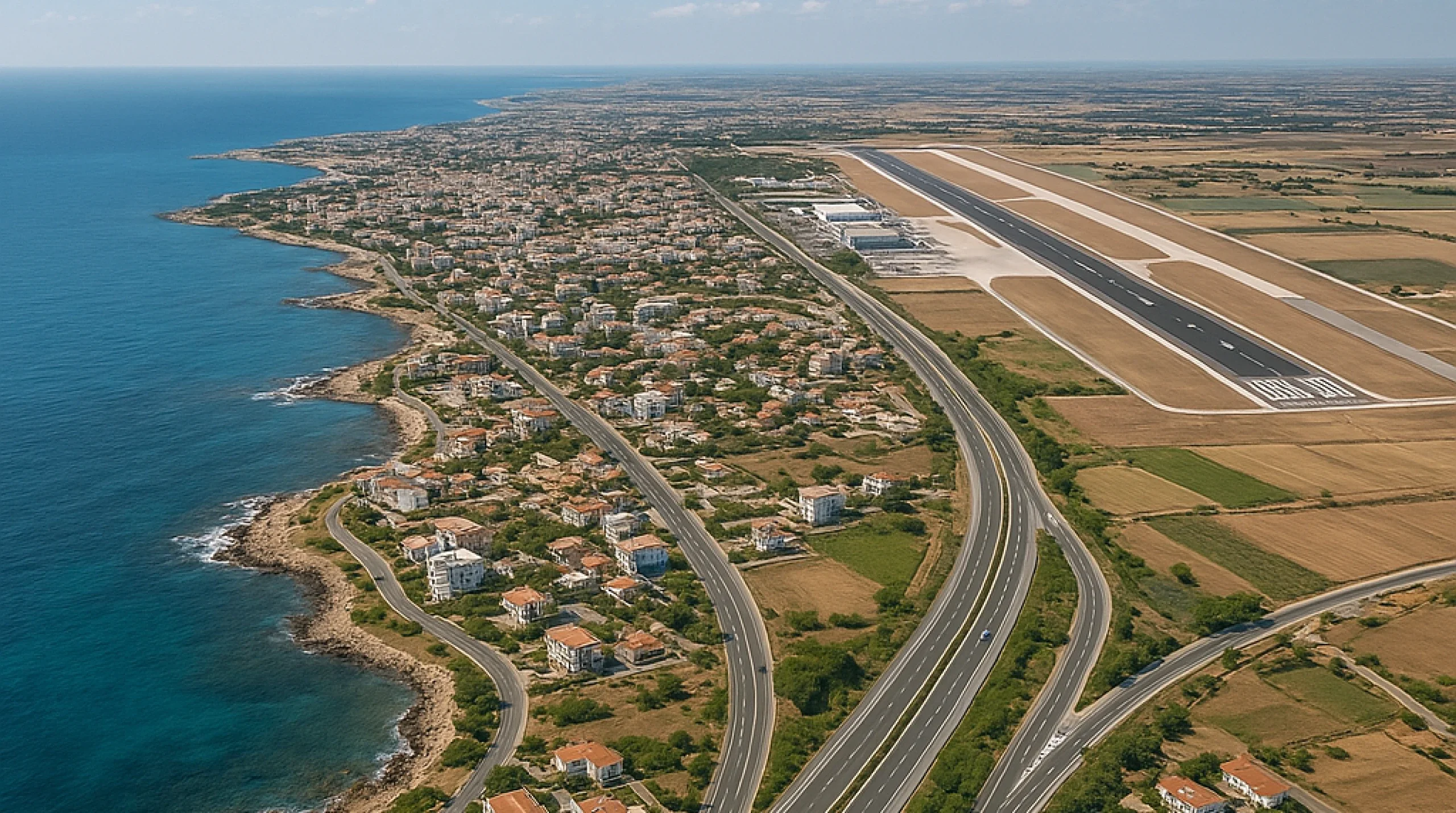
Paphos has no metro or rail network, so daily life runs on buses and cars. The practicalities, including local bus routes, ticket prices and the A6 motorway connecting Paphos to the rest of the island, are covered in Paphos transport infrastructure, which is worth reading before deciding whether to rely on a car full-time or plan around the bus network.
Frequently Asked Questions
Common questions about relocating to Paphos.
Paphos has three established international schools following the English National Curriculum: ISOP in Anavargos, ASPIRE near Tombs of the Kings, and TLC near Agios Georgios in the Peyia area.
No, purchasing property alone does not grant legal residency. A Pink Slip visitor visa requires no property purchase at all, while permanent residency through investment needs a new property purchase of at least €300,000 plus VAT and proven income of at least €50,000 a year.
Most households budget around €150 to €250 a month for electricity, water, internet and basic services, depending on property size and air conditioning use.
SKALA is one of the newer residential development projects in the wider Paphos area, offering an alternative to older village housing for families relocating to the region.
Ready to find your property in Paphos?
Get a free shortlist of 3–7 verified properties, matched to your budget.
We reply within 2 hours (09:00–20:00). Your details are never shared with third parties.
By submitting this form you agree to our Privacy Policy.